Get Paid to Scroll: Which Apps Actually Pay, and Which Just Promise
Do "get paid to scroll" apps actually pay?
Some do, but never for mindless scrolling. Legitimate get paid to scroll apps are task and reward platforms that pay small amounts for surveys, app tests and watching sponsored clips, often around $150 to $300 a month for daily activity. Anything promising $500 a day or demanding money upfront is a red flag.
- Real payouts are modest: roughly $150–$300 a month for 20–30 minutes a day.
- Freecash hit #2 on the US iOS chart in January 2026; its "$35/hr"-style claims warrant skepticism.
- Walk away from any app demanding money upfront or promising $500 a day.

It is one of the most seductive promises on the internet: get paid to scroll, as if the hours you already lose to your phone could quietly turn into cash with no extra effort. The truth is both more boring and more useful than the ads. Nobody pays you to mindlessly scroll, because passive scrolling creates no value for anyone. But a genuine category of task and reward apps really does pay small amounts for structured attention, and knowing the difference between the two is the whole game. One is a real, modest side income; the other is bait.
This guide draws the line clearly. We will look at what the legitimate apps actually reward, what you can realistically earn (spoiler: pocket money, not a paycheck), the specific red flags that mark the scams, and why a product like CashScroller, despite the name, is a completely different animal. Nothing here is a promise of income. It is a map, so you can pick up a few honest dollars if you want them and sidestep the offers designed to separate you from yours.
What "get paid to scroll" really means
The phrase is a marketing simplification of a real thing: get-paid-to, or GPT, apps. These are reward platforms that pay you for completing small, sponsored actions, taking surveys, testing new apps for a few minutes, watching short sponsored videos, playing promoted games to a certain level, or referring friends who do the same. Advertisers fund all of it because your attention and your feedback have value to them. You are not being paid to scroll; you are being paid to do tiny, sponsored tasks that happen to feel like scrolling.
That distinction is not pedantic, it is protective. The moment you understand that the money comes from advertisers paying for attention and data, the entire category snaps into focus. It explains why payouts are small (your individual attention is worth cents), why the tasks are structured rather than passive (advertisers want a specific action), and why any app claiming to pay you for doing literally nothing is lying about where the money comes from. Follow the funding and the honest apps look sensible while the scams fall apart.
Apps that actually pay (and how they work)
The legitimate end of this space is populated by established reward platforms. Freecash is a well-known example; it climbed to number two on the US iOS chart in January 2026, which tells you the category has real scale and real users. Others in the same family reward surveys, app trials and micro-tasks in similar ways. What unites the credible ones is that they pay out in real currency or recognised gift cards, they disclose how earning works, and they let you actually cash out once you clear a low threshold.
Here is the part the ads gloss over, though. Even a legitimate app like Freecash tends to be advertised with an eye-catching hourly figure, an "earn up to $35 an hour" style headline, and that number deserves healthy skepticism. "Up to" is doing enormous work in that sentence. The high figure usually reflects a rare, high-paying offer, often completing a game or a trial that itself costs you time or money, not the steady rate you will experience taking ordinary surveys. Read the hourly claim as a ceiling almost nobody reaches, not an average you can plan around. If you want a repeatable method for pulling apart figures like this, our guide to how to read an income claim before you buy anything is built for exactly this.

What you can realistically earn from get paid to scroll apps
Now the number that actually matters to you. Across the honest reward apps, real-world reports cluster around $150 to $300 a month for roughly 20 to 30 minutes of steady daily activity, and even that varies widely with your country, the offers available, and how selective you are about high-value tasks. That is a genuine, useful sum, enough to cover a subscription or two, top up a gift-card habit, or make a small dent in a bill, but it is emphatically supplementary pocket money, not a salary and not a substitute for work.
Frame it against the effort and it stays sensible: a focused half hour a day, over a month, for something in the low hundreds. That is a fair, unremarkable trade, and fair-and-unremarkable is exactly what a legitimate opportunity looks like. Anything that promises to turn the same half hour into hundreds a day is not a better version of the same thing; it is a different, dishonest thing wearing the same clothes. The realistic ceiling here is modest by design, because the underlying value, your attention on a sponsored task, is modest by nature.
Looking for a posting tool, not a pay-to-scroll app?
CashScroller is not a get-paid app. If what you actually want is a calmer way to schedule and publish, look at what it does and what it costs.
See the current CashScroller offerThe red flags that mark a scam
Because the legitimate apps pay so modestly, the scams have to shout to compete, and their shouting is how you spot them. The single loudest red flag is an app that asks you to pay money upfront to start earning. A genuine reward app pays you; it does not charge you an activation fee, a "membership," or a deposit you will supposedly earn back. Money should only ever flow toward you in this category. If it flows the other way first, close the tab.
The second red flag is the impossible number. Any app or ad promising $500 a day, or framing casual scrolling as a full income, is describing a mechanism that does not exist, because no advertiser pays that much for a single person's passive attention. The third is the payout trap: apps that let you accumulate points easily but move the cash-out threshold forever out of reach, or pay only in points you can never actually convert. If earning is easy but withdrawing is mysteriously hard, the withdrawal was never the plan. For the wider pattern behind all of these, our rundown of the most common red flags in make-money-online offers shows how the same tricks recur across the whole space.
How CashScroller is different from a get-paid-to-scroll app
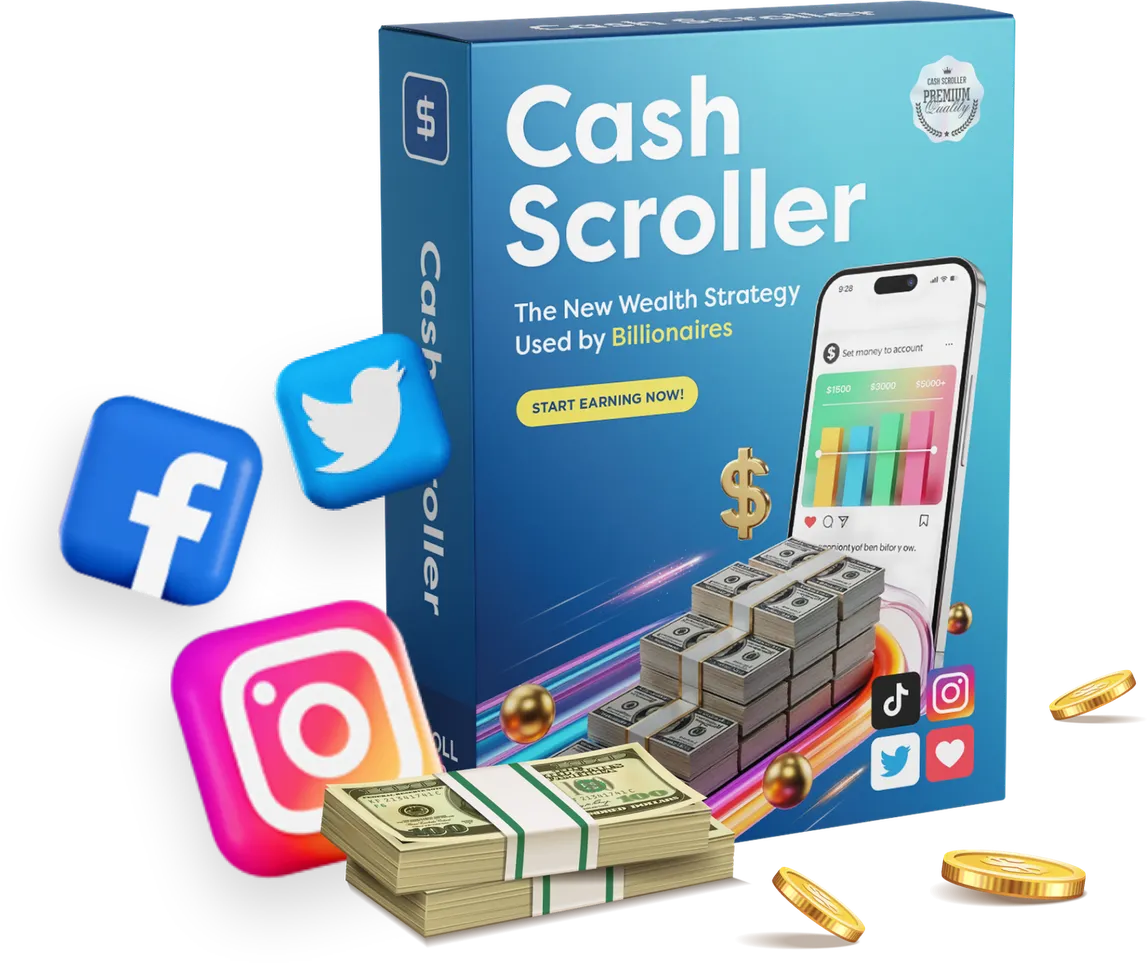
Given the name, this needs saying plainly: CashScroller is not a get-paid-to-scroll app, and it does not pay you anything. It is browser-based software for composing, scheduling and publishing social media posts, a productivity tool you buy once, not a reward platform that pays you for activity. The two things sit on opposite sides of the transaction. A GPT app pays you small sums for your attention; CashScroller is a tool you pay for to save your own time. Confusing the two is easy given the branding, and worth clearing up before you buy anything.
So who is CashScroller actually for? People who already post, or want to, and keep losing to the friction of doing it consistently. It lets you batch a week of content in one sitting and schedule it out, so a busy Tuesday does not break your momentum. It makes no income claim and pays nothing; its value is time and consistency, not a payout. If you want the boundary drawn in full, including the things it deliberately does not attempt, see what CashScroller does not do, and why it matters. And if you are weighing the "get paid to post" side of this world too, our honest reality check on whether you can get paid to post on social media is the natural companion to this piece.
Objections and honest answers
"If it's only pocket money, is it even worth it?"
That depends entirely on your rate for your own time. For a student, a commuter, or anyone with idle minutes they would otherwise spend scrolling for free, converting some of that time into $150 to $300 a month is a real, if small, win. For someone whose time is worth more per hour elsewhere, it is not. The honest framing is that reward apps monetise attention you were already giving away, and that is worth exactly what it is worth to you, no more.
"Why do the ads promise so much if the apps pay so little?"
Because attention is expensive and truth is boring. "Earn a few hundred a month for daily surveys" does not stop a thumb; "get paid $500 a day to scroll" does. The gap between the ad and the app is the marketing, and in this category the marketing almost always overstates the reality by an order of magnitude. Judge the app by its cash-out terms and real user reports, never by the ad that brought you to it.
"Are these apps safe to use with my data?"
The established ones operate openly and pay real users, but you are still trading data and attention for small rewards, so treat them accordingly. Use a separate email, never pay to join, read what permissions you grant, and be wary of any app that wants far more access than a survey platform should need. Safe-but-modest is the correct expectation; anything promising far more is worth far more suspicion.
A sane way to try it
If you want to test the honest version, keep it small and skeptical. Pick one well-reviewed reward app rather than signing up for ten. Never pay a cent to start. Spend a capped amount of time, say twenty minutes a day for two weeks, and actually attempt a cash-out early so you learn the withdrawal terms before you invest more time. Track what you really earned per hour, not what the app advertised, and decide from that real number whether it is worth your minutes. Treat it as a small experiment with a hard time budget, and you cannot really lose.
Above all, keep the categories straight. Get paid to scroll apps are a modest way to convert idle attention into pocket money. Getting paid to post is a slower, larger game built on audience and offers. And a posting tool like CashScroller is neither, it is plumbing that makes consistent posting easier and pays you nothing at all. Knowing which of the three you are actually looking at is the difference between a sensible decision and a disappointed one.
Related reading
Frequently asked questions
Which apps really pay you to scroll or watch content?
Legitimate get-paid apps are task and reward platforms. They pay you for completing surveys, testing apps, watching sponsored clips and referring friends, not for mindless scrolling. Freecash, for example, reached number two on the US iOS chart in January 2026. Payouts are small but real.
How much can you realistically earn from scroll apps?
Realistically, modest amounts. Task apps report roughly 150 to 300 dollars a month for around 20 to 30 minutes a day of steady activity, and results vary widely. Treat it as supplementary pocket money, not a salary, and be sceptical of any hourly figure such as a headline 35 dollars an hour used to advertise them.
Are 'get paid to scroll' ads a scam?
The ads are usually exaggerated even when the app is real. Nobody pays for mindless scrolling; you are paid for tasks and attention brands sponsor. Any app that demands money upfront, promises 500 dollars a day, or pays only in points you can never cash out is a red flag worth walking away from.
How is CashScroller different from a get-paid-to-scroll app?
CashScroller is not a get-paid-to-scroll app at all. It is browser-based software for composing, scheduling and publishing social media posts, a productivity tool bought once, not an app that pays you for activity. It removes friction from posting; it does not pay you and makes no income promise.
Sources and further reading
Know what you're buying
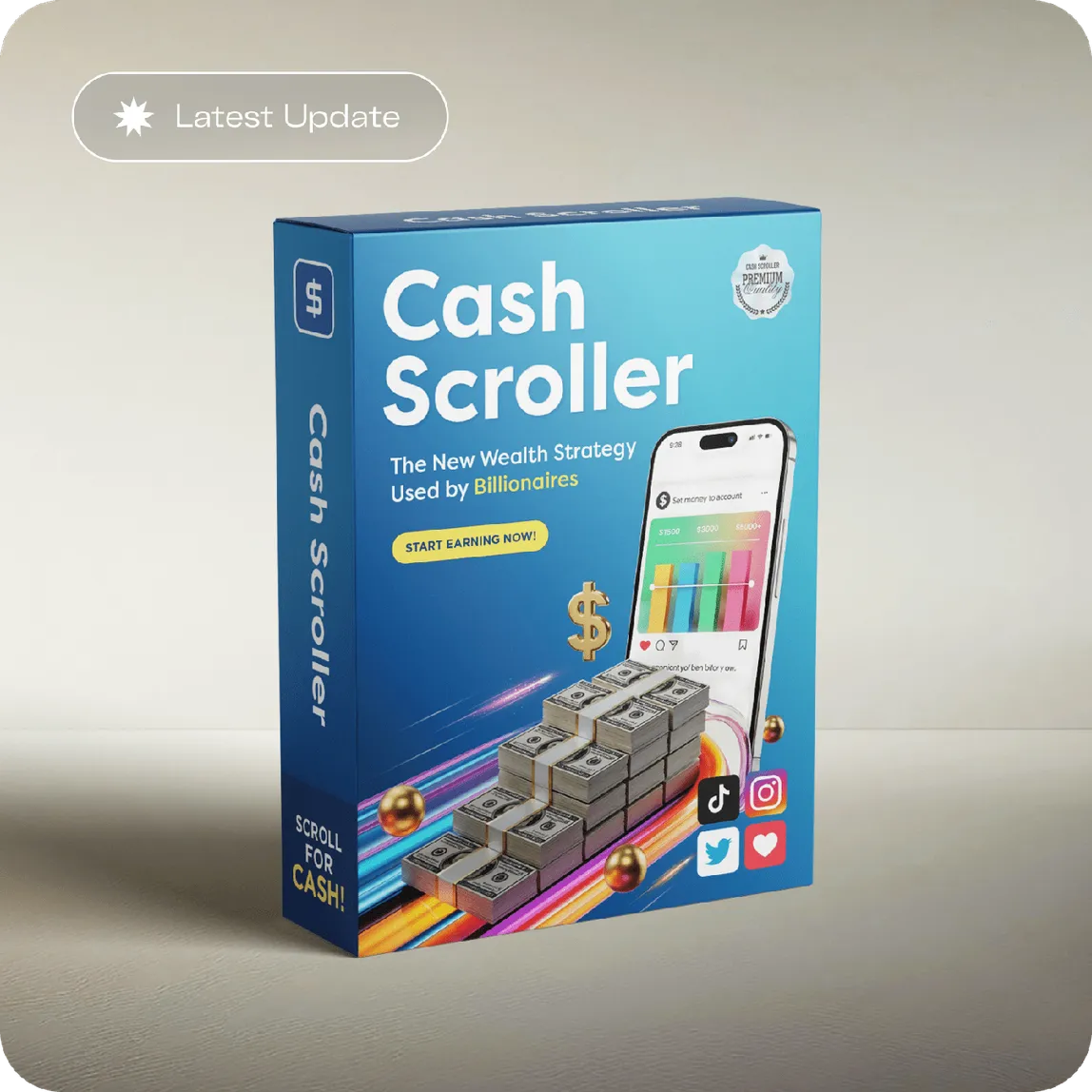
CashScroller is a posting tool, not a pay-to-scroll app. If a calmer, more consistent posting workflow is the thing you want, judge it on that, not on any promise of income.
See the current CashScroller offer